


The list of diagnostic tests must include blood tests.To get the most accurate results, it is necessary to exclude the influence of some third-party factors.In particular, we will talk about wine.Patients are always asked not to drink alcohol before the test for the previous 2 days.
But does alcohol actually affect blood tests?Of course it does, and here's how to do it:
- reduces the number of red blood cells and hemoglobin;
- reduce urea volume;
- reduces lactate and glucose levels;
- increases triacylglycerol levels.
Ethanol makes blood viscous and promotes clot formation.Excess hemoglobin and red blood cell levels can be confused with symptoms of megaloblastic anemia.
Alcohol has the greatest effect on biochemical spectrum blood tests.Due to low uric acid, incorrect conclusions can be drawn as this is a typical sign of poor circulation.High triacylglycerol levels are typical in cases of ischemic heart disease, as well as hepatitis of viral etiology.To prevent such errors from occurring, you should inform your doctor in advance about the amount of alcohol you have consumed (if this occurs).
In addition to the fact that ethanol distorts blood parameters, it also sometimes damages laboratory equipment.So, when it interacts with the reagent, the latter stops reacting with glucose.Enzyme tests will also be wrong if even a small amount of ethyl alcohol is present in the blood.
How does alcohol affect your profits?
Blood test results are negatively affected by smoking and certain harmful foods, in addition to alcohol.But the last factor is the most important and must be eliminated.Tests after drinking alcohol have no meaning because they are not accurate.
General analysis
How are blood parameters deformed under the influence of ethanol:
- cholesterol levels increase;
- red blood cells are destroyed;
- decreased hemoglobin.
If you drink at least a little alcohol before a general blood draw, the number of red blood cells will certainly decrease - these are red blood cells containing hemoglobin.They participate in the circulation of oxygen to all internal organs and tissues, then back to the lungs.
And ethanol has the effect of destroying the membrane of red blood cells, as a result, their motor activity is disrupted - they stick together because they no longer repel each other.As a result, their number decreases and, as a result, the level of hemoglobin decreases.Against this background, thrombosis occurs and microcirculation slows down.
Since under the influence of alcohol the blood thickens and is filled with aggregates, its flow through the capillaries and through the vascular spaces is hindered.This not only prevents accurate research but also threatens human health.If alcohol was consumed less than 10-12 hours before the test, then the only thing that can indicate is ethanol intoxication of the body.
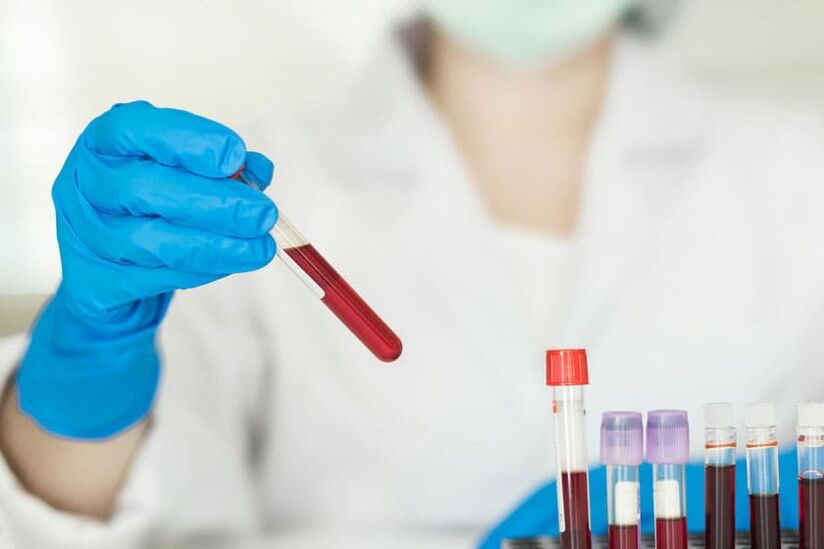
Biochemical analysis
On top of that, ethanol distorts the results of biochemical blood tests, which are designed to give a more detailed clinical picture.With its help, they find out which ingredients are missing and which are too much and need to be reduced.
How alcohol affects tests of this type:
- reduces blood sugar levels;
- increased uric acid;
- disrupts oxygen supply to cells;
- worsens a person's general condition.
Low blood sugar levels can indicate the development of diabetes, and excessive urea levels are a consequence of drinking alcoholic beverages.But the latter sign can be a sign of serious circulatory disorders, as well as hemorrhagic stroke or pathology of the left ventricle.Excess urea is also one of the symptoms of gout or chronic arthritis.This is why it is important not to drink alcohol before taking the test.
Failure to comply with the rules of preparation before a blood test, in particular, the use of any products containing alcohol, often gives inaccurate results.There may be too much triacylglycerol.These triglyceride compounds are important for determining many pathologies in the body: ischemia, atherosclerosis, viral hepatitis, blood clots in cerebral vessels.
Even in laboratory tests, doctors do not use products containing alcohol.Although there is an opinion that with their help it is possible to detect infections more effectively.But since even a small amount of ethanol significantly distorts the data, this option is ruled out.
Yes, in fact, patients often hide from their doctors that they have consumed alcohol in the past.Such behavior requires unreliable diagnosis, so serious pathologies may not be visible and moments may be missed.In addition, drunk people who come to donate blood will feel unwell.Maybe:
- faint;
- dizzy;
- migraine headache;
- nausea and vomiting.
By donating blood in a conscious state, a person will not experience any deterioration in his condition as the losses are insignificant.But after drinking alcohol, metabolism and brain circulation are disrupted.The patient then suffers from lack of oxygen in the brain, causing loss of consciousness and dizziness.Even after donating blood, a person will continue to have headaches for a long time.
In addition, when drunk, the olfactory reflex is especially sensitive to different specific odors.And in the context of indigestion, even the smell of bleach or alcohol in the doctor's office can cause a gag reflex.
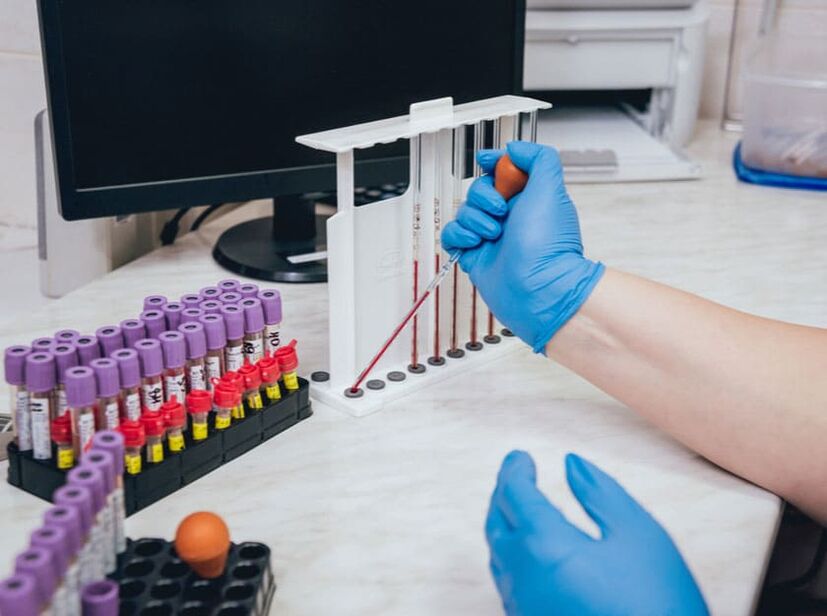
Use blood to make sugar
Blood sugar testing is indicated if metabolic disorders are suspected.Collection is performed through finger puncture.And alcohol consumed the day before will thicken the blood, making it difficult to withdraw blood.
Ethanol is known to have adverse effects on liver function.Even the reagents and laboratory equipment used in the work react with it and give inaccurate results.Therefore, when testing blood containing alcohol breakdown products, there may be contradictory indicators: decreased or increased glucose values.
One gram of ethyl alcohol can add up to 6-7 kcal.With the help of liver enzymes, they are converted into sugar.That's why its level increased sharply.But it is also possible to reduce glucose levels.Just a few hours a day, its content is stabilized by carbohydrates from the digestive tract.The remaining time, the liver actively synthesizes glucose, using strategic reserves.But alcohol will neutralize this process, causing glucose levels to drop.
Only 2 days after drinking alcoholic beverages, glucose begins to be produced as before.
This index is also evidence of diabetes, but the doctor will assume that this is a consequence of the effects of ethanol.As a result, you may waste time if you do not start treatment on time.
When can I drink it?
Any alcoholic beverage, including beer, affects the results of most types of tests.It is especially strictly forbidden to drink alcohol before performing tests prescribed before surgery.In some cases, small doses of alcohol are not prohibited.The doctor tells the patient in advance the possible level.
In general, do not drink strong drinks 1.5-2 days before having blood drawn from a vein.This time is enough for all processes that have a significant impact on the body to stop.
When performing ELISA tests (for HIV, hepatitis and other sexually transmitted diseases), you must abstain from alcohol for at least 3 days, in each case - a maximum of 7. Otherwise, the accuracy of the results is not guaranteed.If the doctor discovers that the patient does not comply with this rule, the procedure is postponed until the moment when the body is completely cleansed of toxins.
Drinking alcohol before a wine test and ignoring medical recommendations significantly complicates diagnosis.The risk of getting false results increases.In addition to products containing alcohol, you should exclude fatty foods from your diet, and limit smoking and anxiety.Under their influence, the level of hormones in the blood skyrockets.They make it difficult to detect viruses.Inaccurate data can mislead the doctor and he will misdiagnose any serious pathology (for example, tumor, hepatitis).
Even before testing the driver's blood to determine the degree of intoxication, there was no prohibition on the use of alcohol.This type of diagnosis is performed without warning.In all other cases, you are allowed to drink only clean water and then in small quantities.
Thus, ethanol greatly affects the accuracy of blood test results and they will be significantly different from normal results.This is influenced by the amount of ethanol decomposition product, the type of process and the precision of implementation.Misdiagnosis leads to inaccurate diagnosis and therefore unnecessary or delayed treatment.